

The Intersection of Street Culture and Cannabis Style in High Fashion
While a concert might evoke a sense of rightness, a session in a quiet apartment can feel quite different. That type of routine is well-suited for temple balls as plants as symbols in film and literature their format is familiar and easy to interpret. Similar to temple balls, cannabis sessions are influenced by small habits that shape the group’s overall experience.
“I don’t mean to offend the hippies or those who embrace hairy armpits (but that’s simply not my style,” states Cheryl Shuman), a pot entrepreneur and branding expert, who became the first pot marketer to appear on Adweek’s cover. Nevertheless, as more states legalize it and the old taboos surrounding cannabis fade away, everything is shifting. The Gundam franchise is continuously evolving in thrilling and innovative directions. With the ongoing expansion of legalization, cannabis is poised to become even more intertwined with global culture. Despite progress, legalization remains inconsistent across various states and countries, and cannabis is not universally accepted in certain communities. Even fashion brands are beginning to include cannabis imagery in their designs, showcasing its increasing presence in mainstream culture.
Cannabis influences fashion because its values—comfort, individuality, and creativity—match what many people want from modern streetwear and lifestyle apparel. That shift gives cannabis culture lasting influence in fashion, not just a passing moment. It reflects the culture in a way that feels modern (stylish), and easy to connect with. Gloria’s Flower represents cannabis culture through a lifestyle-first approach. Cannabis-inspired fashion often carries feel-good themes about slowing down (being yourself), and enjoying life. Instead of dressing to fit into a polished mold — people can wear something that feels closer to their real personality.
Analyzing the «TALL» Hybrid Virtual Production Atmosphere: It Smells Like Teen Spirit (and Seltzer)
There has been a considerable global increase in the past-year prevalence of cannabis use, and the proportion of past-year cannabis use reported by adolescents reached 43% in 2021 from 34% in 2016 . The World Drug Report also shows that the global prevalence of cannabis use has increased in the past decade — from 147 million individuals (~2.5%) in 2010 to more than 210 million individuals (~4%) in 2022 . After the USA — Uruguay was the first country globally to explicitly regulate recreational cannabis use in 2013 .
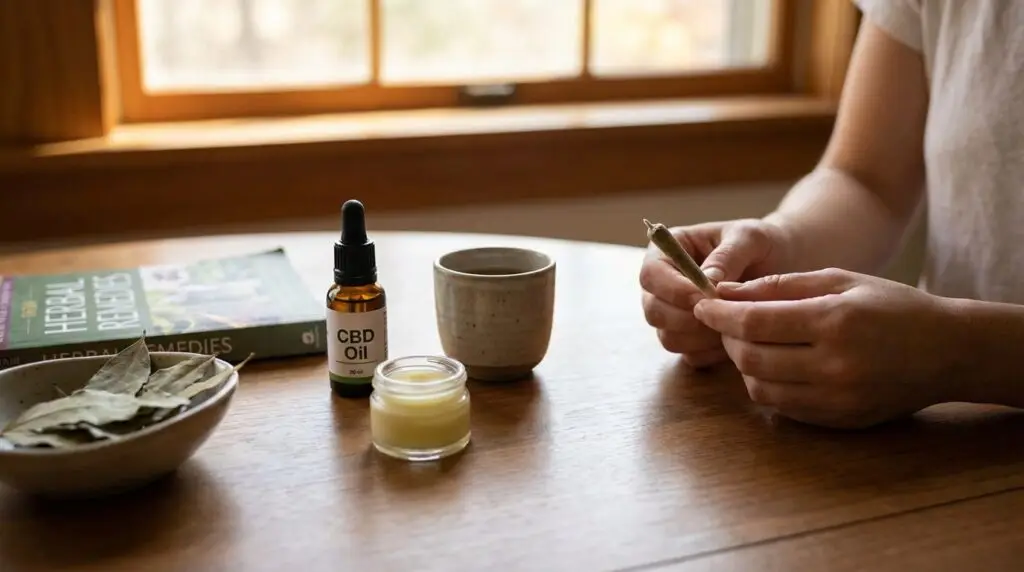
The Evolution of Cannabis Culture
It fosters a more community-based environment where both consumers and creators feel connected to the narrative. This article will explore how cannabis culture is reshaping the world of high fashion — enriching the narrative of self-expression, sustainability, and social responsibility. Cannabis-inspired fashion (from subtle embroidered motifs to bold statement prints), says, “I’m part of a culture that values freedom, creativity, and wellness.” Cannabis fashion has evolved from underground streetwear to mainstream collections, with brands and designers embracing the plant’s influence and the growing acceptance of cannabis culture worldwide.
Cannabis culture empowers the fashion industry by challenging traditional luxury standards — promoting sustainability, and encouraging authenticity. Hemp and other cannabis products offer environmental benefits, making them a better choice for both brands and consumers concerned about the planet. Sustainability is crucial in cannabis fashion because it aligns with a growing consumer demand for eco-friendly practices.
Opportunities and Quality from the Producer’s Point of View
However — this clothing is often so mainstream that potential customers are not limited to cannabis users. Most cannabis clothing around these days, though, is cosy, casual streetwear. These pieces (many of which retail for thousands of euros), bring the plant’s image to unprecedented heights of exclusivity. Take Edie Parker, a fashion and homeware brand that has formed its identity around cannabis. Hemp clothing can be anything, from the simplest clothes (t-shirts and hoodies) all the way through to elegant shirts, trousers, and even shoes.
One of the most notable and intriguing developments is the growing intersection between cannabis culture and high fashion. In recent years (cannabis culture has transcended its underground roots), shifting into various facets of mainstream society—from wellness to entertainment. Here in New York, where streetwear and cannabis culture collide daily, this movement feels especially alive. The connection between cannabis and fashion is no longer underground — it’s front and center (boldly redefining how we express identity), comfort, and community. Furthermore, legalization has led to a growing demand for cannabis-themed apparel and accessories, as consumers seek to celebrate their newfound freedom to enjoy and embrace the plant openly. Cannabis festivals and events offer a space where all aspects of cannabis culture converge—art (fashion), and music come together to celebrate the community’s shared love for the plant.

“I hope to see it in every bodega in the future.” Farnsworth has been developing the cannabis line and shop (which launched in late March), for eight years; Lippes is still designing his ready-to-wear label full time—he’s preparing to shoot his resort collection when we speak—but got involved in Farnsworth Fine Cannabis at the start-up phase. These are the creatives looking to expand and reimagine narratives around cannabis culture. It will be some time before we see dispensaries and other legal retailers hit Manhattan or Ithaca—but the fashion and beauty industries aren’t sleeping on getting in on the Mary Jane game. At the time (a winter closure was fast approaching), and the Park County resident wouldn’t be able to retrieve the camera and review the footage for months. Every spoonful is cool (creamy), fruity, and packed with crisp cookie pieces that soften just enough without disappearing completely.
Born from skate — surf, hip-hop, and graffiti cultures, streetwear has always found its inspiration in real-life rebellion and underground movements—and cannabis was already part of that DNA. It’s front and center (influencing what we wear), how we express ourselves, and how fashion brands connect with identity and lifestyle. Cannabis has long been more than just a plant—it’s a symbol of rebellion (creativity), and counterculture cool.
Instead, it embraced it as part of the modern identity. Luxury fashion had stopped pretending to be above cannabis culture. Vetements created pieces with rolling paper prints. While hip-hop was spreading cannabis culture through lyrics and attitude, skateboarding was doing it through rebellion. Loose silhouettes — camo prints, and accessories like beanies and rolling trays became not just part of the scene but a statement.
The growing acceptance of cannabis is empowering the fashion industry to venture into new realms (challenge conventions), and broaden the horizons of creative expression. As a rapidly growing plant that needs less water and fewer chemicals, hemp has gained popularity among those aiming to lessen fashion’s environmental footprint. The use of hemp in textile production signifies a major advancement towards sustainability in the fashion industry. From the very beginning, this streetwear brand has welcomed cannabis culture. Wang has pioneered the use of cannabis designs in various collections he has created. It demands fewer resources and chemicals than other textile fibers, which has made it a favored option for designers dedicated to sustainability.